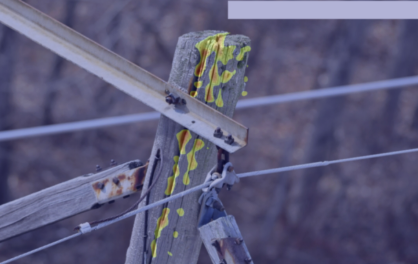
Plexus — Grid Intelligence Platform

Your grid's operational picture, finally complete.

Plexus fuses AI-powered asset inspection with live grid data to show utilities where capacity is real, where risk is hidden, and where investments will actually pay off.
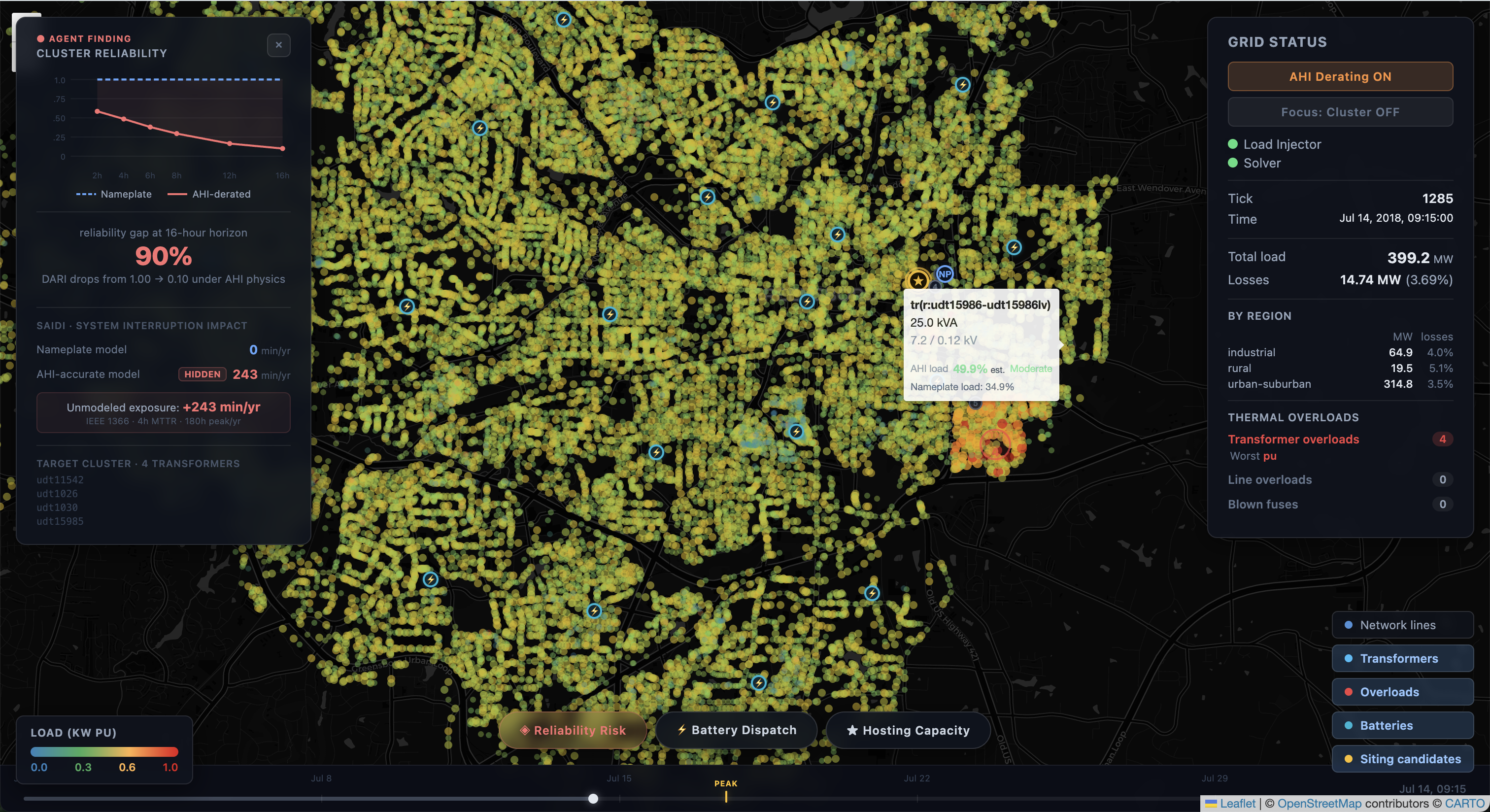
Plexus dashboard — grid operational view

Three decisions utilities get wrong today. Plexus fixes all three.

Know your real capacity
Asset health scores replace nameplate assumptions across your network, revealing where equipment is running beyond its true limits — before it fails.
Optimize what you have
Batteries and flexible resources are dispatched against real grid stress, not theoretical ratings. Turn stranded capacity into reliable performance.
Invest in the right place
Interconnection studies and DER siting decisions are grounded in AHI-certified headroom, not assumed margins that evaporate under load.

Autonomous agents that surface what your grid is actually telling you.

Plexus runs specialized agents continuously against live grid data. Each agent monitors a specific decision domain and fires findings the moment conditions warrant — no dashboards to check, no reports to read.

● Agent Finding
Cluster Reliability
1.0 .75 .50 .25 0 2h 4h 6h 8h 12h 16h
Nameplate
AHI-derated
reliability gap grows with time horizon
AHI physics reveals degradation the nameplate model cannot see — measured in customer-minutes before it becomes an outage
Reliability Risk
The outage your model doesn't know is coming.
Continuously computes DARI — the probability your cluster survives the next 2 to 16 hours. When AHI-derated transformers diverge from nameplate projections, the agent surfaces the gap in customer-minutes before it becomes a real interruption.
● Agent Finding
Battery Dispatch
Nameplate EMS current schedule
AHI-Optimal redispatch
capacity recovered at zero capital cost
AHI-aware redispatch unlocks energy your nameplate EMS leaves stranded — no new hardware, no new investment
Battery Dispatch
Your batteries are leaving MWh on the table.
Nameplate-based EMS schedules charge and discharge against theoretical ratings. The Battery Dispatch agent runs AHI-optimal redispatch continuously, recovering energy that would otherwise be stranded — at zero capital cost.
● Agent Finding
Hosting Capacity
Nameplate pick
Node A
lower headroom
★ AHI pick
Node C
materially more headroom
nameplate model understates real downstream capacity
Significant NPV advantage
from siting at the physics-optimal node
Hosting Capacity
You're siting DERs where the model says, not where physics says.
Nameplate interconnection studies send new batteries to the wrong bus. The Hosting Capacity agent sweeps all candidate buses under AHI-derated constraints and identifies the site that unlocks materially more downstream capacity.
Case Study

One feeder. One month of data. Here's what Plexus found.

Greensboro, NC · Urban-suburban distribution feeder · July 2018 · findings from three autonomous agents running in parallel
Reliability Risk
90%
Reliability gap at 16-hour horizonDARI drops from 1.00 under nameplate to 0.10 under AHI-derated physics for the target transformer cluster
Reliability Risk
243 min
Hidden SAIDI per yearCustomer interruption exposure invisible to operators using nameplate models — IEEE 1366 methodology, 4h MTTR
Battery Dispatch
+43 MWh
Recovered per peak weekAHI-optimal redispatch vs. nameplate EMS schedule — validated through OpenDSS AC power flow, zero capital cost
Hosting Capacity
$2.7M
NPV difference from optimal sitingAHI-optimal interconnection point unlocks 1.6 MW more downstream headroom than the nameplate-optimal site

Inspection intelligence that feeds Plexus.

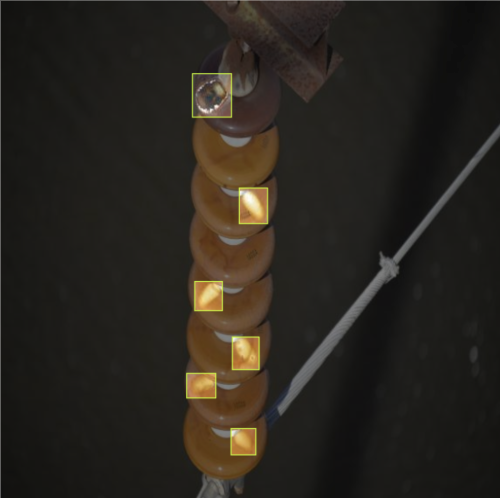
Plexus is only as good as the asset health data underneath it. Scout-Forager, our utility foundation model, turns your existing aerial imagery into per-asset health scores — without requiring manual labeling at scale.

1
Connect your existing imagery Drone, helicopter, or fixed sensor footage — ingested as-is, no preprocessing required.
2
Generate your foundation model A utility-specific model trained on your unlabeled imagery captures the full variety of your assets and conditions.
3
Deploy detection in days Task-specific detectors — defects, vegetation, structural health — ready with fewer than 50 labeled examples. AHI scores flow directly into Plexus.
Detection capabilities
Defect detection Equipment detection Change detection Health assessment
Foundation model bounding box predictions on aerial imagery

One stack. Inspection to action.

Scout-Forager
Foundation model turns aerial imagery into AHI scores for every asset in your network
Plexus
Live OpenDSS simulation runs AHI-derated physics against real load profiles, every 15 minutes
Agents
Autonomous agents monitor each decision domain and surface findings the moment conditions warrant

Ready to see your grid clearly?

Drop your name and email and we'll set up a walkthrough. No commitments.

EPRI OPAI Consortium Member  ·  Research Triangle Park, NC